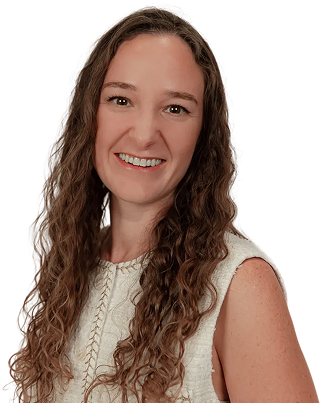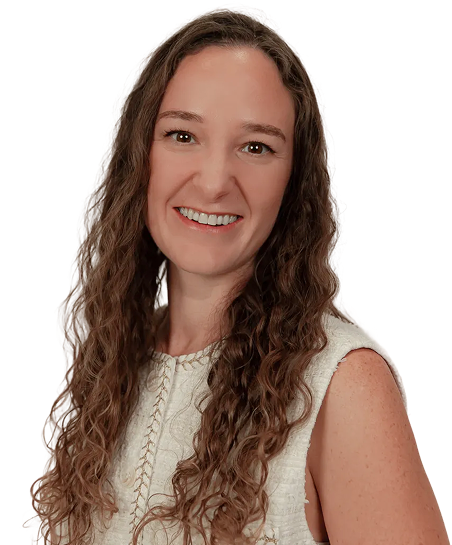
 End-of-life planning helps your family manage medical, legal, and financial decisions without confusion during a crisis. Allie Castellano helps Sarasota families put the right documents and guidance in place before they’re needed.
In Sarasota County, where roughly 38% of residents are age 65 or older, end-of-life planning is part of routine life planning. It should not wait until a hospital stay, hospice admission, or sudden decline forces the issue.
Advance directives are part of the plan, but they are not the whole plan. End-of-life planning also covers who will make medical decisions, who will manage finances, what funeral or burial arrangements are preferred, whether hospice instructions are clear, and what family members should do in the days after death.
Roughly one in three U.S. adults has completed an advance directive, according to Yadav and others in a 2017 Health Affairs article. Far fewer have a full end-of-life planning package.
The gap usually appears at the hardest moment, when family members are trying to make decisions quickly, and no written instructions exist.
The Documents That Direct End-of-Life Decisions in Florida
The core legal package combines three documents from the Healthcare Surrogate & Directive work, plus the durable power of attorney:
- Designation of Health Care Surrogate (Fla. Stat. §§765.202–.205) names the decision-maker for healthcare.
- Living Will (Fla. Stat. §§765.301–.309), declares wishes for life-prolonging procedures.
- Durable Power of Attorney (Fla. Stat. Ch. 709) names the decision-maker for finances.
- Pre-hospital DNRO (DH Form 1896), a physician-signed yellow form that emergency medical personnel honor in the field
Florida also changed the law in 2023 through HB 1119, Ch. 2023-287, Laws of Florida, effective July 1, 2023. The update expanded healthcare surrogate and POA-agent authority to make end-of-life decisions, including withholding or withdrawing life-prolonging procedures, without additional court approval when the documents are drafted correctly.
Older directives may still be valid, but they should be reviewed to confirm they reflect the post-2023 framework.
Funeral and Burial Pre-Planning Under Florida Law
Funeral and burial planning removes practical decisions from family members at a time when they may not agree or may not know what is wanted.
Florida offers several planning tools, such as:
- Preneed funeral contracts under Fla. Stat. Ch. 497, agreements with licensed funeral establishments specifying services and prices in advance. The state regulates these contracts; deposits are placed in a trust or insurance arrangement that protects the funds.
- Irrevocable funeral and burial trusts are exempt from Medicaid asset calculations up to defined limits. A small but standard component of Medicaid-compatible end-of-life planning.
- Anatomical gifts (Fla. Stat. Ch. 765, Part V), written directive donating organs, tissue, or whole body for transplant, research, or education. Documented in the advance directive package or on a separate anatomical-gift form.
- Cremation authorization. Florida requires explicit written authorization for cremation, either from the decedent in advance or from the legally authorized agent.
For many Sarasota families, a preneed funeral contract is the most practical tool. It puts service choices in writing, addresses cost, and reduces the number of decisions left for the family.
Hospice and Palliative Care Coordination
Hospice planning should be coordinated with advance directives, healthcare surrogate authority, and DNRO instructions.
Medicare’s hospice benefit may cover care for terminally ill beneficiaries with a prognosis of six months or less. Once hospice is elected, the focus of care usually shifts from curative treatment to comfort, support, and symptom management.
Several documents and decisions should line up:
- The hospice election form is itself a directive about the goals of care.
- DNRO status typically aligns with hospice election, but should be confirmed in writing
- The healthcare surrogate’s authority continues during hospice and is the decision-maker for treatment changes, hospital transfers, and end-of-life decisions.
- The surrogate’s role is to coordinate with the patient’s primary physician, the hospice medical director, and the family.
Where the patient’s expressed wishes in a living will diverge from a family member’s preferences, the living will control the conditions it covers. Where the surrogate must exercise judgment, the post-2023 framework gives clearer authority than older directives anticipated.
The Practical Post-Death Checklist for Family
In the days following a death, Florida family members typically need to:
- Notify the attending physician or hospice provider to confirm the death and prepare the death certificate.
- Contact the funeral establishment identified in any preneed contract (or the family’s chosen provider).
- Obtain certified copies of the death certificate; typically, 8–10 are needed for accounts, beneficiary claims, and asset transfers.
- Locate the original will and any amendments. A photocopy is generally not sufficient for probate; the original is required under Fla. Stat. §733.207 (lost-will proof is a separate procedure with stricter requirements).
- Notify the named personal representative that the will has been located.
- Notify named successor trustees if there is a revocable trust.
- Secure the decedent’s home and personal property.
- Notify Social Security, the Veterans Administration (if applicable), and any pension providers to stop ongoing payments.
- Notify financial institutions to freeze accounts pending presentation of letters of administration or trustee certification.
- Begin the probate and/or trust administration process within a reasonable time. Florida does not have a strict deadline, but assets in limbo create friction for the family.
For inheritance distribution mechanics, see our dedicated page.
Pet Care and End-of-Life Planning (§736.0408)
Pets should not be left out of the plan.
Florida allows pet trusts under Fla. Stat. § 736.0408. A pet trust can name a caregiver, a trustee to manage the money, and a remainder beneficiary for funds left after the last surviving pet dies.
The trust can include care instructions, veterinary preferences, food routines, housing needs, and funding for the pet’s care.
A court may reduce the amount held in the trust if it is substantially more than what is needed for the animal’s care.
For Sarasota seniors with pets, this can be a small but important part of the end-of-life plan.
How Allie Castellano Helps
Allie Castellano leads the firm’s estate planning practice and helps Sarasota families prepare end-of-life plans that cover both legal documents and practical instructions.
Her work includes:
- Updated advance directive package under the post-2023 framework.
- Preneed funeral contract review and irrevocable burial trust setup.
- Anatomical gift documentation.
- Pet trust drafting under §736.0408.
- Coordination with Medicaid planning, elder law, and broader estate planning.
- Practical guidance for the post-death family checklist.
The first consultation is free.
Frequently Asked Questions
What’s the difference between end-of-life planning, advance directives, and estate planning?
Advance directives cover healthcare decisions. Estate planning controls how assets pass after death. End-of-life planning connects with funeral choices, hospice coordination, family instructions, and immediate post-death steps.
Can my family decide what happens to my body if I do not leave written instructions?
Florida law gives authority in a set order, starting with a designated agent, then a spouse, adult children, and other relatives. Written instructions help prevent disputes.
Are preneed funeral contracts safe in Florida?
They can be, when signed with a licensed funeral establishment under Fla. Stat. Ch. 497. Funds must be held through protected trust or insurance arrangements.
If you are considering end-of-life planning for yourself or supporting an aging parent through the process, Buckman, Buckman & Castellano, P.A. can help.
Allie Castellano serves clients across Sarasota, Venice, Bradenton, North Port, and surrounding communities. To schedule a free consultation, please contact our office.
This content is for informational purposes only and does not constitute legal advice. Past results in any legal matter depend on the specific facts of that matter and do not guarantee or predict future outcomes. Testimonials, where used, reflect individual client experiences; your results may differ. Reading this page or contacting our office does not create an attorney-client relationship; an attorney-client relationship is formed only after a written engagement agreement is signed by both you and the firm.