 Advance directives let you document your healthcare wishes before a medical emergency happens. Allie Castellano helps Sarasota families set up the three-document advance directive package under Florida Statute Chapter 765.
Roughly one in three U.S. adults has completed any advance directive (Yadav et al., Health Affairs, 2017), meaning the majority of Sarasota residents have not formalized their healthcare preferences.
That gap usually shows up during a medical crisis. A spouse, adult child, sibling, or close family member may be asked to make decisions about treatment, discharge, life-prolonging procedures, or medical records without clear written authority.
Florida provides a framework for avoiding that problem through advance directives. These documents name who can act on your behalf, explain what decisions they can make, and state your wishes for end-of-life care.
The framework also changed in 2023 through HB 1119 , which made properly drafted healthcare surrogate authority more practical for serious end-of-life decisions.
The Three-Document Florida Advance Directive Package
A complete Florida advance directive package usually includes three separate documents. Each one has a different job.
Designation of Health Care Surrogate
A Designation of Health Care Surrogate names the person who can make healthcare decisions if you cannot. This document is governed by Fla. Stat. §§ 765.202–765.205 .
The surrogate may be given authority over medical treatment, hospital admission and discharge, treatment refusal, access to medical records, and end-of-life decisions when the document is drafted correctly.
Living Will
A Living Will states your wishes about life-prolonging procedures if you are in a terminal condition, end-stage condition, or persistent vegetative state.
This document is governed by Fla. Stat. §§ 765.301–765.309 . It does not name a single person to make every healthcare decision. It gives direct instructions for specific end-of-life situations.
Durable Power of Attorney
A Durable Power of Attorney authorizes a person to make financial decisions on your behalf. Governed by Fla. Stat. Chapter 709. “Durable” means the authority survives your incapacity.
The three documents have different roles, names (potentially different decision-makers, and respond to different situations. A complete package addresses healthcare authority, end-of-life decisions, and financial authority; none of the three substitutes for the others.
Designating a Healthcare Surrogate Under Chapter 765
Under Fla. Stat. §765.202, any competent adult can execute a Designation of Health Care Surrogate. The document must be:
- In writing
- Signed by the principal in the presence of two adult witnesses , each of whom must also sign in the principal’s presence (one witness may not be the surrogate)
- The surrogate cannot be the principal’s healthcare provider, an employee of the provider, or an operator of the healthcare facility (with limited exceptions)
The surrogate’s authority typically activates when the principal is determined to be incapacitated by attending physicians under the standards in §765.204. Florida law also permits a standby surrogate structure in which authority activates immediately upon designation, rather than waiting for incapacity, if the principal so chooses.
A well-drafted designation includes specific authority over: medical treatment decisions; hospital admission and discharge; mental health care and treatment; organ donation decisions; and access to medical records under HIPAA.
Living Wills and End-of-Life Decisions
The living will under Fla. Stat. §§765.301–.309 declares the principal’s wishes about life-prolonging procedures in three triggering conditions:
- Terminal conditions , incurable, irreversible, untreatable, will result in death within a relatively short time without life-prolonging procedures.
- End-stage condition , incurable, irreversible, advanced, with progressive deterioration causing severe and permanent dysfunction.
- Persistent vegetative state , a permanent, irreversible state of unconsciousness with no awareness of self or environment.
A Living Will is different from a healthcare surrogate designation. The Living Will states your instructions. The surrogate makes healthcare decisions when a person is unable to act.
When both documents exist, the Living Will usually controls the end-of-life instructions in the listed conditions. The healthcare surrogate handles other medical decisions and helps carry out your wishes.
The 2023 Surrogate-Authority Update (HB 1119)
Florida made an important change in 2023 through Chapter 2023-287, Laws of Florida , also known as HB 1119 , effective July 1, 2023.
The update expanded authority for healthcare surrogates and certain power-of-attorney agents when the proper authority is included in the documents.
Under the 2023 amendment to Fla. Stat. §744.3115 and the new §744.4431:
- A healthcare surrogate or POA agent may make end-of-life decisions, including withholding or withdrawing life-prolonging procedures, without additional court approval when authority is properly retained per Ch. 765.
- The surrogate or agent must follow the principal’s known wishes. If those wishes are not known, the decision must be based on the principal’s best interest.
- Professional guardians are treated differently and may still need court approval before making certain end-of-life decisions, unless a limited exception applies.
Advance directives signed before the 2023 update may still be valid, but they may not include the broader authority now available. Sarasota families with older documents should consider having them reviewed.
Out-of-State Directives and Florida Hospitals
Many Sarasota residents spend part of the year in Florida and the rest elsewhere. They may already have a healthcare power of attorney, Living Will, or advance directive signed in another state.
Florida law generally recognizes an out-of-state directive if it was valid where it was signed, under Fla. Stat. § 765.401(2) . The harder part is not validity. It is whether the document is clear enough for a Florida hospital to use quickly.
Problems can come up when the document uses a different language, has different witness rules, gives limited surrogate authority, or does not match Florida’s terms for terminal condition, end-stage condition, or persistent vegetative state.
For snowbirds and dual residents, Florida-specific directives can help avoid delay. The point is not to replace every document from another state. The point is to make sure Florida doctors, hospitals, banks, and family members can see who has authority and what decisions have already been made.
How Allie Castellano Helps
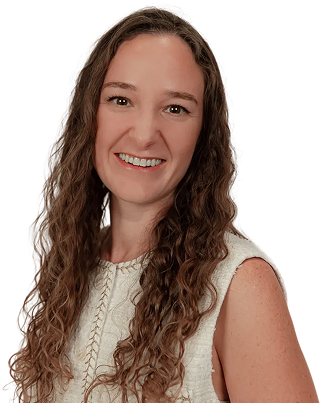
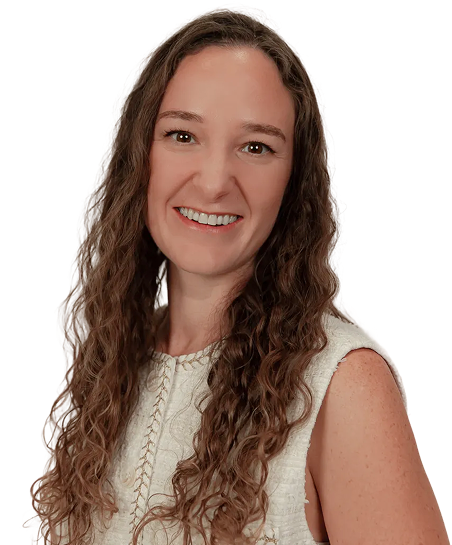
Allie Castellano leads the firm’s estate planning practice and handles advance-directive work for Sarasota families:
- Three-document advance directive package (surrogate, living will, DPOA) under the post-2023 framework.
- Updates to pre-2023 directives to capture the expanded surrogate authority under HB 1119.
- Coordination with end-of-life planning and broader elder law work.
- Out-of-state directive coordination for snowbird and dual-resident clients.
The first consultation is free.
Frequently Asked Questions
What is the difference between a Living Will and a healthcare surrogate?
A Living Will states your end-of-life care wishes. A healthcare surrogate is the person you name to make medical decisions if you cannot.
Is a DNRO the same as a Living Will?
No. A DNRO is a physician-signed emergency form used outside the hospital. A Living Will guides hospital and facility care in specific end-of-life conditions.
Will Florida accept my out-of-state healthcare directive?
Usually, if it was valid, it was signed. Still, Florida-specific documents can reduce delays or confusion in Sarasota hospitals.
When does a Florida Living Will apply?
It applies if two physicians determine you are in a terminal condition, end-stage condition, or persistent vegetative state.
Can my healthcare surrogate stop life-prolonging treatment?
Yes, if the document gives that authority and Florida law requirements are met. The surrogate must follow your known wishes or best interests.
If you have not yet set up advance directives, are updating directives executed before 2023, or are planning around dual-state residency, Buckman, Buckman & Castellano, P.A. can help.
Allie Castellano serves clients across Sarasota, Venice, Bradenton, North Port, and surrounding communities. To schedule a free consultation, please contact our office .
This content is for informational purposes only and does not constitute legal advice. Past results in any legal matter depend on the specific facts of that matter and do not guarantee or predict future outcomes. Testimonials, where used, reflect individual client experiences; your results may differ. Reading this page or contacting our office does not create an attorney-client relationship; an attorney-client relationship is formed only after a written engagement agreement is signed by both you and the firm.