
Probate does not always stay routine. A personal representative may make decisions that beneficiaries question. A beneficiary may believe information is being withheld. A creditor may file a claim that is not payable. Family members may disagree over property, timing, valuation, or what the will actually requires.
These disputes can slow administration and reduce the amount that remains for the people entitled to inherit. They can also turn private family issues into court filings if the disagreement is not handled early.
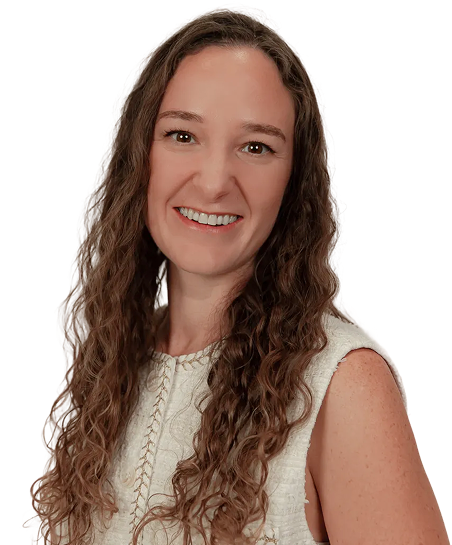
At Buckman, Buckman & Castellano, P.A., Allie Castellano represents Sarasota clients in estate disputes involving personal representatives, beneficiaries, creditors, estate assets, accountings, homestead issues, and will interpretation.
Common Estate Disputes
Estate disputes can begin at almost any point in probate. Some involve the person managing the estate. Others involve the property, the debts, or the people waiting to receive their shares.
Personal Representative Disputes
A personal representative has authority only after being appointed by the probate court. Disputes may arise over who should serve, whether the person named in the will is qualified, or whether the appointed representative is handling the estate properly.
Removal may be requested if there are concerns about conflicts of interest, mismanagement, poor communication, failure to comply with court requirements, or conduct that puts estate assets at risk.
In some cases, the personal representative may need court approval before taking a disputed action. A petition for instructions can help clarify authority and reduce the risk of later objections.
Accounting Disputes
An accounting should show what came into the estate, what went out, and what remains. When that record is late, incomplete, or hard to follow, beneficiaries may begin to question how the estate is being handled.
Disputes often involve missing assets, unexplained payments, excessive fees, early distributions, self-dealing, or expenses that do not appear connected to estate administration.
Not every accounting issue means the personal representative did something wrong. Sometimes the records are simply poorly organized. But if the accounting does not match the estate’s activity, beneficiaries may have grounds to object, request supporting records, or seek court review.

Asset Valuation Disputes
Estate value matters because it affects distributions, taxes, buyouts, and settlement decisions. Disputes often arise when the estate includes property without an obvious market value.
Real estate may require appraisals. A family business may need a valuation that accounts for income, ownership rights, debts, and market conditions. Personal property can also become contested, especially when an item has sentimental value that exceeds its financial value.
Professional valuations help, but they do not always end the disagreement. The timing, method, assumptions, and purpose of the valuation may still be challenged.
Creditor Claim Disputes
Creditors must follow Florida probate rules when making claims against an estate. The personal representative must review those claims carefully before deciding whether to pay them.
Some claims are valid. Others may be late, inflated, unsupported, or tied to debts the estate is not legally required to pay.
If the estate does not have enough assets to pay every claim, priority rules become important. Paying a claim too early can create problems for the estate and expose the fiduciary to personal liability.
Will Interpretation Disputes
A will can be legally valid and still leave room for disagreement.
Problems often come from wording that is too broad or no longer fits the estate. Terms like “my home,” “personal property,” “children,” “equal shares,” or “residue” can become disputed when there are multiple properties, blended-family relationships, sold assets, changed accounts, or beneficiaries who have died.
If the parties cannot agree, the probate court may need to decide how the will should be read and applied to the estate.
Elective Share Claims
Florida law gives a surviving spouse certain rights, even if the will leaves them less than expected or attempts to disinherit them.
Elective share disputes may involve what property counts toward the elective estate, how non-probate assets are treated, and how the share should be allocated among beneficiaries.
These claims can be technical and time-sensitive. They should be reviewed early, especially when the estate includes trusts, jointly owned property, retirement accounts, life insurance, or other assets passing outside probate.
Homestead Disputes
Florida homestead property can create probate issues distinct from ordinary real estate disputes.
Questions may arise over whether the property qualifies as a homestead, whether creditor protection applies, and who has the right to receive or use the property after death.
Disputes also arise when a surviving spouse, minor child, adult child, life tenant, or remainder beneficiary has competing rights. Taxes, insurance, maintenance, rental use, and sale decisions can all become points of conflict.
Beneficiary Disputes
Not every estate dispute comes from fiduciary misconduct. Beneficiaries may disagree even when the personal representative is doing the job correctly.
The conflict may involve whether property should be sold or retained, how personal items should be divided, whether distributions should be made now or later, or whether one beneficiary is receiving an unfair advantage.
Sentimental property often creates more conflict than its market value suggests. Jewelry, family photos, furniture, heirlooms, and personal belongings can delay administration when the will does not give clear directions.
Causes of Estate Disputes
Estate disputes rarely come from paperwork alone. The documents matter, but the conflict often grows from a mix of legal duties, money pressure, family history, and unclear expectations.
Common causes include:
- Limited communication from the personal representative.
- missing or incomplete accounting.
- unequal distributions that were not explained during life.
- blended-family tensions.
- beneficiaries waiting for the money they expected sooner.
- unclear ownership of real estate, accounts, or business interests.
- old family conflict resurfacing after death.
- creditor claims or debts that reduce the estate.
- uncertainty over whether the will reflects the decedent’s wishes.
Understanding the cause helps decide the next step. Some disputes can be resolved with records and explanations. Others need mediation, court instructions, removal proceedings, or litigation.
Resolving Estate Disputes
Most estate disputes should start with the record, not the courtroom. The will, accountings, creditor claims, property records, beneficiary communications, and probate filings usually show where the problem actually is.
Once those materials are reviewed, the next step may be a demand for records, attorney negotiation, or mediation. Mediation can be useful when the parties need structure, but still want a chance to resolve the dispute without a full hearing.
Court action may be needed when assets are missing, the personal representative will not provide an accounting, a creditor claim is disputed, the will needs interpretation, or a beneficiary’s rights are being ignored.
The right path depends on the deadline, the evidence, the value at stake, and whether the other parties are willing to resolve the issue without prolonged litigation.

How We Handle Estate Disputes
At Buckman, Buckman & Castellano, P.A., the first step is a close review of the estate record. That includes the will, probate filings, accountings, asset information, creditor claims, communications, and the conduct of the personal representative or other interested parties.
If the dispute can be resolved through records, explanation, negotiation, or mediation, that may preserve more of the estate and avoid unnecessary court time. If court action is required, the case is built around the documents, the fiduciary’s actions, the assets at issue, and the remedy available under Florida law.
Clients are given a clear view of the claim or defense, the deadlines, the likely costs, and the practical options before major decisions are made.
Discuss Your Estate Dispute With Allie Castellano
If you are involved in an estate dispute as a personal representative, beneficiary, creditor, or other interested party, the issue should be reviewed before deadlines pass or assets are distributed.
Contact Buckman, Buckman & Castellano, P.A. to discuss your situation with Allie Castellano and determine the next step.