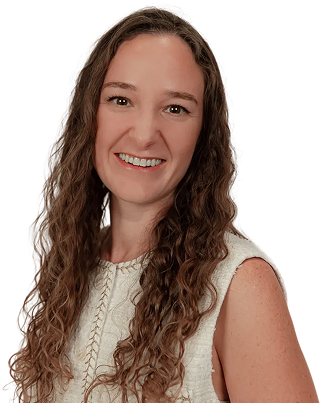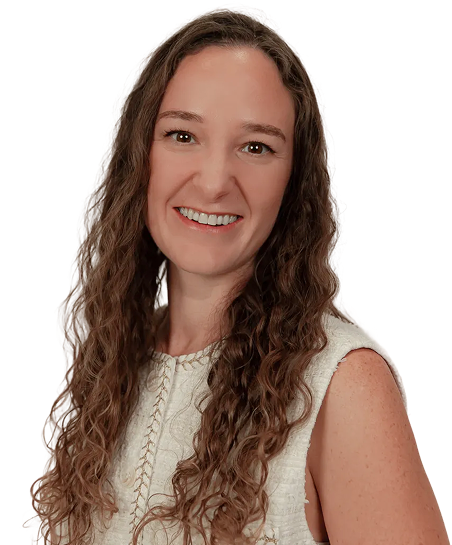
 Florida probate can be time-consuming and public, but many assets can pass outside court with proper planning. Allie Castellano helps Sarasota families use trusts, beneficiary designations, and other probate-avoidance strategies to simplify future asset transfers.
Florida courts received 141,166 circuit probate cases in fiscal year 2024–25 , a meaningful percentage of which would not have needed to be there if the decedent had completed a few standard estate-planning steps. Nationally, only about 24% of adults reported having a will in 2025 (Caring.com Wills Survey), and even fewer have funded a revocable trust or executed Lady Bird deeds. The result is families spending months in probate that didn’t need to happen.
Probate avoidance in Florida is a planning question, not a wishful one. The mechanisms below all work; each comes with trade-offs.
Why Avoiding Probate Is Worth the Effort in Florida
Formal probate in Florida takes time because the court process has built-in steps. Creditors receive a claim period under Fla. Stat. § 733.701 , and the personal representative must handle notices, inventory, debts, accountings, and final discharge.
A straightforward formal probate often lasts at least five to six months. Some estates take longer, especially when creditor issues, tax filings, disputes, real estate sales, or missing information are involved.
Probate may involve court costs, publication fees, attorney fees, personal representative compensation under Fla. Stat. § 733.617 , and a bond if required. For a $400,000 estate, total probate-related costs can commonly run $15,000 to $30,000 or more , depending on the facts.
The probate file is also public , unlike trust administration, anyone can pull the inventory and accountings.
A well-funded revocable trust can avoid probate for many assets. Other tools, such as Lady Bird deeds and beneficiary designations, can handle assets that do not need to be owned by the trust.
The Six Most Effective Probate-Avoidance Tools
The Florida toolkit:
- Revocable Living Trust (RLT) , the most comprehensive option. Assets retitled to the trust pass to beneficiaries under the trust’s terms without probate. The trust is fully revocable and amendable during the grantor’s life.
- Lady Bird Deed (Enhanced Life Estate Deed) . A Florida-recognized deed that retains full life-estate rights for the grantor (occupy, sell, mortgage, revoke) while transferring the remainder interest at death without probate. Specific to Florida and a few other states.
- Joint Ownership with Right of Survivorship , real estate or accounts titled jointly with survivorship, pass to the survivor at death without probate. Tenancy by the entirety is the strongest form of joint ownership for married couples in Florida.
- POD/TOD Beneficiary Designations . Pay-on-Death (bank accounts) and Transfer-on-Death (brokerage accounts) designations let the account pass directly to named beneficiaries without probate. Available on most Florida bank, brokerage, and retirement accounts.
- Beneficiary Designations on Retirement Accounts and Life Insurance . IRAs, 401(k)s, and life-insurance proceeds pass directly to named beneficiaries. Always override the will. Critical to keep current after life events.
- Summary Administration (Fla. Stat. §735.201) for small estates ($75,000 or less in non-exempt assets, or deceased more than 2 years) is a simplified, less expensive procedure. Not strictly avoidance, but materially faster and cheaper than formal administration.
Most Sarasota plans use 3–4 of these tools layered together.
What Each Tool Actually Costs and What It Risks
Each probate-avoidance tool has benefits and trade-offs.
- Revocable Living Trust trade-offs. Setup cost ($2,500–$6,000 typically); requires funding to be effective (retitling deeds, accounts), unfunded trusts don’t avoid probate. Does not protect assets from creditors during life or after death; assets remain countable for Medicaid eligibility.
- Lady Bird deed trade-offs. Inexpensive ($500–$1,500). Keeps the Florida homestead exemption and Save Our Homes cap intact. Does not protect homestead from Medicaid estate recovery in some configurations. Cannot be used for non-real-estate assets.
- Joint ownership with a child. Transfers ownership during life, meaning an immediate gift for tax purposes, immediate exposure to the child’s creditors, divorce risk if the child divorces, and Medicaid look-back implications. Often, the wrong tool for parent-child ownership; usually, the right tool for spouses (TBE).
- POD/TOD designations. Easy to set up and free. Override the will entirely; outdated POD/TOD designations are the single most common cause of unintended inheritance outcomes in Florida estates. An annual review is essential.
- Retirement-account beneficiary designations. Override the will. Spousal-rollover and 10-year-rule mechanics under SECURE Act 1.0/2.0 apply. Trusts as beneficiaries require careful drafting (see-through trust rules).
- Summary administration. Available only for small estates or 2+ years post-death. The probate is faster, but not avoided; homestead, exempt property, and creditor claims are all still in scope.
The trade-off framing is what changes a generic “avoid probate” article into actual planning. For comprehensive Medicaid planning and asset protection coordination, see those pages.
When Probate Is Actually Necessary
Some situations still require probate or make probate the better option.
Probate may be necessary when:
- assets are titled only in the decedent’s name.
- No beneficiary designation or joint owner exists.
- A will must be admitted and administered.
- A personal representative needs legal authority.
- Creditor claims need to be cut off through the formal process.
- A will or trust is contested.
- Minor heirs need court-supervised protection.
- Florida homestead needs court confirmation.
- Out-of-state real estate requires ancillary probate.
Florida homestead can be especially technical. If the decedent is survived by a spouse or lineal descendants, Fla. Stat. § 732.401 and the Florida Constitution may control how the property passes, even if the will or trust says something else.
A complete plan should reduce probate where possible while recognizing which assets may still need court involvement.
Summary Administration vs. Formal Administration in Sarasota
Summary administration under Fla. Stat. § 735.201 may be available when the estate has $75,000 or less in non-exempt assets, or when the decedent has been dead for more than two years.
It involves fewer filings, no formal appointment of a personal representative, and a shorter timeline. In Sarasota, summary administration may often be completed in two to four months, depending on the court, assets, and documentation.
Formal administration under Florida Statutes Chapter 733 is the standard process for larger or more complicated estates. It involves the appointment of a personal representative, creditor notice, inventory, accountings, and final distribution.
A straightforward formal administration often takes five to twelve months. Disputes, real estate sales, tax issues, or missing records can extend the timeline.
For Sarasota residents, probate matters are handled through the 12th Judicial Circuit Probate Division at the Silvertooth Judicial Center .
The first question is usually whether probate is needed at all. If it is, the next question is whether the estate qualifies for summary administration.
How Allie Castellano Helps
Allie Castellano leads the firm’s estate planning practice and works with Sarasota families on the full probate-avoidance toolkit:
- Revocable living trust drafting and funding (the part that gets skipped).
- Lady Bird deed preparation and recording.
- Beneficiary designation review across accounts.
- Coordinated planning between probate-avoidance tools and Medicaid/asset-protection goals.
- Summary administration for estates that qualify.
- Probate representation when required.
The first consultation is free.
Frequently Asked Questions
Is a Lady Bird deed or a revocable living trust better for avoiding probate in Florida?
Both can work. A Lady Bird deed is useful for Florida real estate. A revocable living trust is broader and can hold a wider range of assets. Many Sarasota plans use both.
Does adding my child as a joint owner avoid probate?
It can avoid probate for that asset, but it creates risks. The asset may be exposed to the child’s creditors, divorce, lawsuits, and Medicaid look-back issues. Other tools may be safer.
Do POD or TOD designations override my Florida will?
Yes. POD, TOD, retirement, and life insurance beneficiary designations generally control over the will. If the form is outdated, the asset may pass to the wrong person.
Can summary administration handle my whole estate?
Only if the estate qualifies under Fla. Stat. § 735.201 . The estate must generally have $75,000 or less in non-exempt assets, or the decedent must have been deceased for more than two years.
If you are setting up your first estate plan, updating an old one, or trying to understand whether your existing will, trust, and designations actually keep your estate out of probate, Buckman, Buckman & Castellano, P.A. can help.
Allie Castellano serves clients across Sarasota, Venice, Bradenton, North Port, and surrounding communities. To schedule a free consultation, please contact our office .
This content is for informational purposes only and does not constitute legal advice. Past results in any legal matter depend on the specific facts of that matter and do not guarantee or predict future outcomes. Testimonials, where used, reflect individual client experiences; your results may differ. Reading this page or contacting our office does not create an attorney-client relationship; an attorney-client relationship is formed only after a written engagement agreement is signed by both you and the firm.