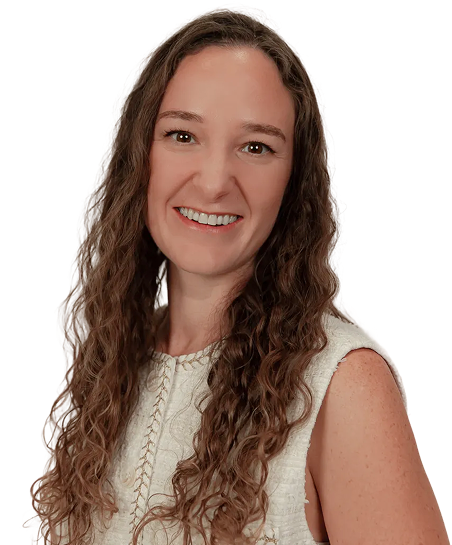
 Becoming a Florida trustee, usually after a parent or spouse dies, comes with specific legal duties under the Florida Trust Code. Allie Castellano helps Sarasota successor trustees notify beneficiaries, file accountings, distribute assets, and properly close the trust.
When a Florida resident dies with a revocable living trust, the successor trustee named in the trust agreement steps into a fiduciary role. That role is governed by Florida Statutes Chapter 736, the Florida Trust Code.
Once accepted, the job is not casual. A trustee must act loyally, treat beneficiaries fairly, manage assets prudently, keep records, provide required information, and follow the trust document.
Trust administration often overlaps with probate. A probate estate may be open at the same time the trust is being administered, especially when some assets were never transferred into the trust. Florida probate also has a creditor-claim period under Fla. Stat. § 733.701, and trust administration often moves on a similar timeline.
For Sarasota families, the main challenge is usually not knowing where to start: who gets notice, what assets belong to the trust, whether probate is also needed, and when distributions can safely be made.
When Trust Administration Begins (Trustee’s First 60 Days)
The successor trustee’s role usually begins when the grantor dies, and the trustee accepts the position. The first 60 days matter because several early steps can affect beneficiary rights, creditor issues, and the trustee’s own liability.
Important first steps include:
- Locate the trust document and any amendments. Verify the document is current and properly executed. Note any pour-over provisions.
- File the Notice of Trust under §736.05055 with the clerk of the court in the county where the grantor was domiciled. The notice gives creditors a defined window to make claims against trust assets to the same extent as they can against the probate estate.
- Send the qualified-beneficiary notice required by §736.0813(1)(b). Within 60 days of acceptance of trusteeship, the trustee must notify qualified beneficiaries of their right to receive a copy of the trust agreement, an annual accounting, and other information.
- Inventory trust assets. Identify accounts titled to the trust, real estate held in the trust’s name, and assets that pour over from the probate estate.
- Obtain an EIN for the trust. A revocable trust becomes irrevocable at the grantor’s death and needs a federal taxpayer identification number for tax filings.
- Coordinate with the personal representative if a probate estate is also being administered.
Failure to send the §736.0813 qualified-beneficiary notice on time is the most common avoidable trustee error in Sarasota practice, and one of the most common bases for trustee-removal petitions.
Trustee Duties Under Florida Trust Code Chapter 736
The Florida Trust Code defines the trustee’s duties at the subsection level. The core duties:
- §736.0801. Duty to administer the trust. Administer in good faith, in accordance with the terms and purposes of the trust and the interests of the beneficiaries.
- §736.0802. Duty of loyalty. Administer the trust solely in the beneficiaries’ interests. Self-dealing is presumed voidable absent express authorization or court approval.
- §736.0803. Impartiality. When a trust has two or more beneficiaries, act impartially among them, considering each beneficiary’s interests.
- §736.0804. Prudent administration. Exercise reasonable care, skill, and caution. The “prudent investor” standard under Fla. Stat. §518.11 governs investment decisions for many Florida trusts.
- §736.0805. Costs of administration. Incur only costs that are reasonable in relation to the trust property and the trustee’s skills.
- §736.0813. Duty to inform and account. Keep qualified beneficiaries reasonably informed of the trust and its administration; provide annual accountings.
- §736.08125. Limitation on accounting actions. The beneficiary’s claim for breach of trust arising from matters disclosed in an accounting is barred six months after the accounting, unless reserved.
Trustees who are also beneficiaries need to be especially careful. Family trusts often name a child or spouse as trustee, but that does not remove the duty of loyalty or the obligation to treat other beneficiaries properly.
Co-trustees also carry risk. Under § 736.0703, a co-trustee may need to dissent or take action if another trustee is breaching the trust.
Accounting Requirements and Beneficiary Rights
Qualified beneficiaries have the right to information about the trust and its administration. Under Fla. Stat. § 736.0103(16), qualified beneficiaries generally include current beneficiaries and those who would become current beneficiaries if the trust ended at that time.
Annual accountings are usually required. A trust accounting should show:
- A statement of the trust assets at the start and end of the reporting period
- All receipts, disbursements, and distributions during the period
- A list of trustee compensation paid
- A statement of the trustee’s hourly rates if compensation is hourly
- An explanation of the methods of valuing the trust assets
A good accounting should let beneficiaries follow the money without guessing. It should show what came in, what went out, what remains, and why.
Beneficiaries may also make reasonable requests for information. A trustee who refuses to provide basic information without a proper reason may violate § 736.0813.
If the issue is not resolved, beneficiaries may ask the court for an accounting, a surcharge, the removal of a trustee, or other relief under the Florida Trust Code.
Common Trust Administration Issues
A handful of issues recur in Sarasota trust administration:
Trust modifications and terminations
A trust may need to be modified or terminated when the original terms no longer work.
Florida law allows modification or termination in several situations, including:
- § 736.0411: modification by consent of beneficiaries
- § 736.04113: judicial modification with grantor consent or for tax or practical reasons
- § 736.0412: modification by court because of unanticipated circumstances
- § 736.0414: termination of uneconomic trusts under $50,000
- § 736.0415: reformation to correct mistakes in expression
The right path depends on the trust language, the trust’s purpose, who must consent, and whether court approval is required.
Trustee removal
Under § 736.0706, a beneficiary or co-trustee may ask the court to remove a trustee.
Grounds may include a serious breach of trust, lack of cooperation among co-trustees, unfitness, persistent failure to administer properly, or a substantial change in circumstances.
Bad accounting practices are a common trigger. If beneficiaries cannot tell what the trustee has done with trust property, the dispute can escalate quickly.
Ambiguous trust instructions
Trust language that seemed clear when drafted may become difficult to apply years later. A distribution clause may not fit the current family situation. A tax formula may be outdated. A beneficiary reference may no longer make sense.
A court may resolve unclear language through construction proceedings. In some cases, reformation under § 736.0415 may be available to correct a mistake in the trust’s drafting.
Trust tax obligations
A revocable trust usually uses the grantor’s Social Security number during the grantor’s lifetime. After the grantor dies, the trust becomes a separate taxpayer and generally needs an EIN.
The trustee may need to file Form 1041 fiduciary income tax returns and issue Schedule K-1s to beneficiaries who receive distributions.
Many trustees are surprised that tax filings may still be required even if the trust is being wound down. The first Form 1041 is generally due by April 15 of the year after the grantor’s death, unless an extension applies.
Coordinating Trust Administration with Probate
Many Sarasota families have both a trust and a probate estate. The trustee handles trust assets. The personal representative handles probate assets. Sometimes the same person serves in both roles, but the duties are separate.
Assets that go through probate include any property titled in the decedent’s name alone without beneficiary designation or joint ownership. Trust assets are property that was retitled to the trust during life, such as homes, accounts, and brokerage holdings.
Florida homestead has special rules. A homestead held in a revocable trust may pass under the trust, but Article X, Section 4 of the Florida Constitution and Fla. Stat. § 732.401 may still control if the decedent is survived by a spouse or minor child. See Inheritance Distributions for the homestead-descent mechanics.
Spousal rights can also affect trust administration. The elective share under Fla. Stat. § 732.2055 is based on the broader elective estate, which may include trust assets. If a surviving spouse is considering an elective share, the trustee and personal representative may need to coordinate before distributions are made.
How Allie Castellano Helps Sarasota Trustees
Allie Castellano leads the firm’s estate planning and trust practice and assists Sarasota successor trustees through the full administration cycle:
- Initial trust review and trustee onboarding.
- Notice of Trust filing and qualified-beneficiary notice.
- Inventory, valuation, and EIN setup.
- Annual accountings and beneficiary communication.
- Trust modifications, terminations, and reformations under Ch. 736.
- Trustee defense in surcharge or removal proceedings.
- Coordination with the personal representative on parallel probate.
- Final distribution and trust closing.
For trustees who need ongoing trust administration support, see also our Trustee Services page. For trust-related disputes among beneficiaries, see Trust Disputes.
The first consultation is free. Ongoing work is priced on a flat-fee basis where the matter is well-defined.
Frequently Asked Questions About Sarasota Trust Administration
What are a Florida trustee’s duties to inform and account?
Under Fla. Stat. §736.0813, a Florida trustee must keep qualified beneficiaries reasonably informed about the trust and its administration. Within 60 days of acceptance of trusteeship, the trustee must notify qualified beneficiaries of the trust’s existence and their right to receive information. Annual accountings are typically required, plus reasonable responses to beneficiary requests for information.
How often must I send accountings to beneficiaries as a Florida trustee?
Annually, in most cases. The accounting must show all receipts, disbursements, distributions, trustee compensation, and asset values at the start and end of the period. Beneficiaries’ claims for breach of trust on matters disclosed in an accounting are barred six months after delivery unless properly reserved (§736.08125).
Who is a “qualified beneficiary” under the Florida Trust Code?
Under § 736.0103(16), qualified beneficiaries include current income or principal beneficiaries and those who would become current beneficiaries if the trust terminated on that date. Remote contingent beneficiaries may not qualify unless they meet that test.
Can a Florida trust be modified or terminated after the grantor dies?
Yes, in some cases. Florida law allows modification, termination, or reformation under several statutes, including §§ 736.0411, 736.04113, 736.0412, 736.0414, and 736.0415. The process depends on consent, trust purpose, changed circumstances, and court approval.
How long does Florida trust administration typically take?
Simple trusts may close in 6 to 9 months. Trusts tied to formal probate, real estate sales, tax filings, or beneficiary disputes may take 12 to 24 months or longer. Continuing trusts for minors or long-term beneficiaries may remain open for years.
If you have been named a successor trustee for a Sarasota trust, are facing trustee duties you did not anticipate, or are a beneficiary trying to enforce trust accounting rights, Buckman, Buckman & Castellano, P.A. can help.
Allie Castellano serves clients across Sarasota, Venice, Bradenton, North Port, and surrounding communities. To schedule a free consultation, please contact our office.
This content is for informational purposes only and does not constitute legal advice. Past results in any legal matter depend on the specific facts of that matter and do not guarantee or predict future outcomes. Testimonials, where used, reflect individual client experiences; your results may differ. Reading this page or contacting our office does not create an attorney-client relationship; an attorney-client relationship is formed only after a written engagement agreement is signed by both you and the firm.