A deed legally transfers real estate from one person or entity to another. It may be used when someone buys a home, inherits property, adds a spouse to the title, transfers property into a trust, removes a former owner, or plans for property to pass after death.
The deed type matters. Some deeds give strong title protection. Others make no promises at all. Some are useful for estate planning. Others are better suited for clearing a title issue or transferring property between people who already understand the risk.
At Buckman, Buckman & Castellano, P.A., Allie Castellano helps Sarasota property owners choose the right deed, draft it correctly, and record it with the proper county records.
What Deeds Do
A deed transfers ownership of real property from the grantor to the grantee. The grantor is the person or entity transferring the property. The grantee is the person or entity receiving it.
In Florida, a deed should be in writing, signed by the grantor, witnessed, notarized, and recorded in the county where the property is located. The deed also needs the correct legal description of the property. A street address alone is not enough.
Recording creates a public record of the transfer. It also helps establish the chain of title, the documented ownership history that title companies review when a property is later sold, refinanced, inherited, or transferred again.
Warranty Deeds
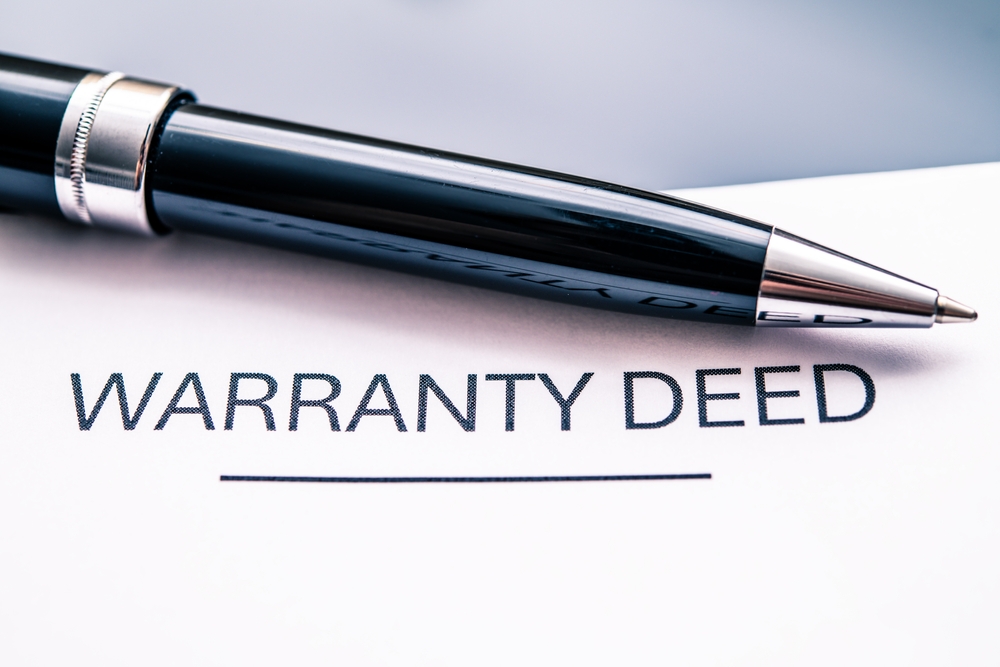
A warranty deed gives the buyer the strongest title protection. It is commonly used in traditional real estate sales.
With this type of deed, the grantor is making broad promises about the property’s title. Those promises generally include that the grantor owns the property, has authority to transfer it, has disclosed known encumbrances, and will defend the title against valid claims.
The protection is not limited to the grantor’s ownership period. A general warranty deed can cover title problems that predate the property’s history. That is why buyers often expect warranty deeds in arm’s-length real estate purchases.
Special Warranty Deeds
Special warranty deeds provide more limited protection. The grantor makes promises about the title, but only for the period they owned the property. They’re not warranting against defects that existed before they acquired it.
Banks and corporations often use special warranty deeds when selling property. They don’t want to make promises about events that occurred before they acquired the property. Executors and trustees sometimes use special warranty deeds when transferring property from estates or trusts for similar reasons.
Quitclaim Deeds
A quitclaim deed transfers whatever interest the grantor has in the property, if any. It does not guarantee that the grantor owns the property, that the title is clear, or that no other claims exist.
Quitclaim deeds can be useful in the right setting, such as:
- transferring property between family members
- Adding or removing someone from the title after marriage or divorce
- transferring property into or out of a trust
- clearing a possible title claim
- handling certain estate planning transfers
They are risky when purchasing from someone you do not know well. A quitclaim deed offers little protection if a title issue arises later.
Ladybird Deeds (Enhanced Life Estate Deeds)
A Ladybird deed, also called an enhanced life estate deed, allows Florida real estate to pass to named beneficiaries at death without probate, while the owner retains control during life.
The owner can usually sell, mortgage, lease, refinance, or change beneficiaries without needing permission from the people named to receive the property later. If the owner still owns the property at death, it passes by operation of law outside probate.
Ladybird deeds can be useful in estate planning because they may help avoid probate, preserve stepped-up basis treatment, and support certain Medicaid planning goals. They need to be drafted carefully so the owner’s retained powers and beneficiary terms are clear.
Deed Requirements in Florida
A Florida deed has to be prepared and signed correctly before it can do its job. The basics usually include a written deed, the grantor’s signature, two witnesses, notarization, the correct legal description, and clear names for both the grantor and grantee.
The deed also has to be delivered and accepted. Once signed, it should be recorded in the county where the property is located. Recording may not make the deed valid between the parties, but it helps protect the transfer from later claims, creditors, or competing deeds.
Small mistakes can become title problems later. A missing witness, an incorrect legal description, unclear ownership language, or faulty notarization may not be noticed right away. Still, they can delay a sale, refinancing, a probate transfer, or a future title review.
Common Deed Issues and Mistakes
Deed problems often stay quiet until the property is being sold, refinanced, inherited, or transferred again. By then, fixing the issue can take more time and cost more than getting the deed right at the start.
Common problems include missing witness signatures, defective notarization, use of a street address instead of the full legal description, unclear ownership language for multiple grantees, and deeds that do not account for mortgages or liens.
Other issues stem from how the deed fits with the bigger plan. A deed may create tax concerns, conflict with a will or trust, fail to reflect a divorce order, or be recorded late or in the wrong county. Any of these can create title defects, family disputes, lender concerns, or estate administration problems.
Choosing the Right Deed Type
The right deed depends on what the transfer is meant to accomplish. A warranty deed is often used in a standard real estate sale because it gives the buyer broad title protection. A special warranty deed may be more appropriate when a trustee, executor, bank, or corporate owner is transferring property and only wants to warrant title for the period of their ownership.
A quitclaim deed may make sense for family transfers, trust transfers, divorce-related title changes, or to clear a potential claim. It should be used carefully because it does not guarantee a clear title.
A Ladybird deed may be useful when the goal is to pass Florida real estate outside probate while keeping lifetime control.
Before signing, the deed should be reviewed in the context of the full picture: ownership history, mortgage status, liens, tax consequences, estate planning documents, and the reason for the transfer.

Recording Deeds Properly
After a deed is signed, it should be recorded in the county where the property is located. Recording the transfer places it on the public chain of title, which helps protect the new ownership record.
The county clerk will collect recording fees and, when required, documentary stamp taxes. Once recorded, the deed becomes part of the official property records.
Delays can create problems. If a deed is not recorded and another transfer, creditor claim, or title issue arises later, proving priority may become more difficult.
How Allie Castellano Helps with Deeds
A deed has to fit the transfer, not just the form. Allie Castellano helps Sarasota clients choose the correct deed type, confirm the legal description, address ownership or beneficiary language, arrange proper signing, and handle recording.
She also reviews how the deed works with wills, revocable living trust, Ladybird deeds, and other estate planning documents. That coordination matters because one incorrect transfer can create title issues, probate complications, or conflicts with the broader plan.
Protecting Your Property Rights
Real estate is often one of the largest assets a family owns. The deed should protect the transfer, support the estate plan, and avoid title problems for the next owner.
Contact Buckman, Buckman & Castellano, P.A. to discuss your deed needs. Whether you’re buying property, transferring it to family members, or planning for its eventual transfer, we’ll make sure your deeds accomplish your goals while protecting your interests.